

AI firms sign Macron’s Paris Call, but safety group says it lacks teeth
What happened
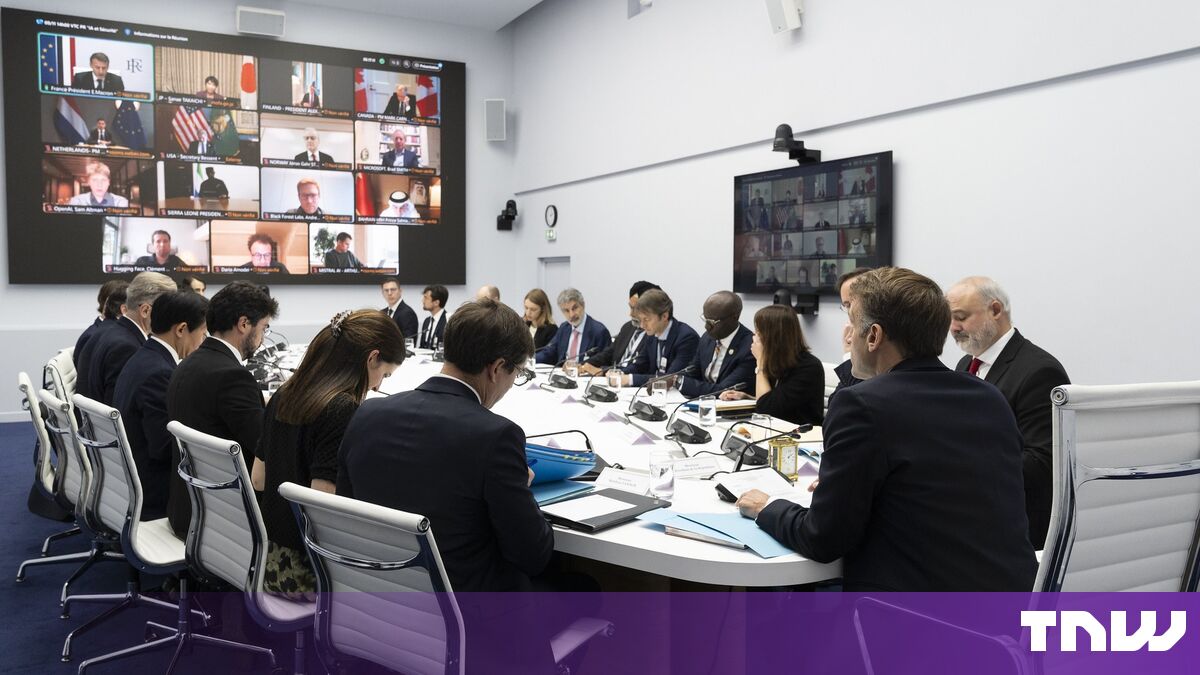
At the Paris Peace Forum on November 9, 2026, ten AI companies, including OpenAI, Anthropic, Microsoft, and Mistral, signed the Paris Call for AI Safety and Security. The declaration was agreed at a meeting hosted by French President Emmanuel Macron, with six countries also signing on. The signatories committed to measures such as risk assessments, independent testing, and the development of fail-safe mechanisms for advanced AI models. Major companies like Google and Meta, as well as China and the United States, did not sign the agreement.
Key details
- Ten AI firms signed the Paris Call, including OpenAI, Anthropic, Microsoft, and Mistral.
- Six countries joined: France, Canada, Finland, Norway, the Netherlands, and Bahrain.
- Signatories pledged to allow independent experts to test their AI models and to share non-sensitive test results in a common format.
- The agreement requires companies to develop systems that can be shut down in emergencies, including during training.
- The declaration does not set deadlines or common risk thresholds, and a shared testing framework is still to be developed.
Why it matters
AI developers and governments that signed the Paris Call are now expected to improve transparency and safety measures for advanced AI systems, including sharing information about risks and incidents. However, without participation from major firms like Google and Meta, and without binding rules or deadlines, the impact on global AI oversight is limited. Developers face new expectations for independent testing and emergency shutdown capabilities, but the lack of enforceable standards leaves gaps in how risks will be managed.