

Hot fridges, a fake nuclear alert and a $6bn heist: are we in the foothills of a hacking epidemic?

What happened
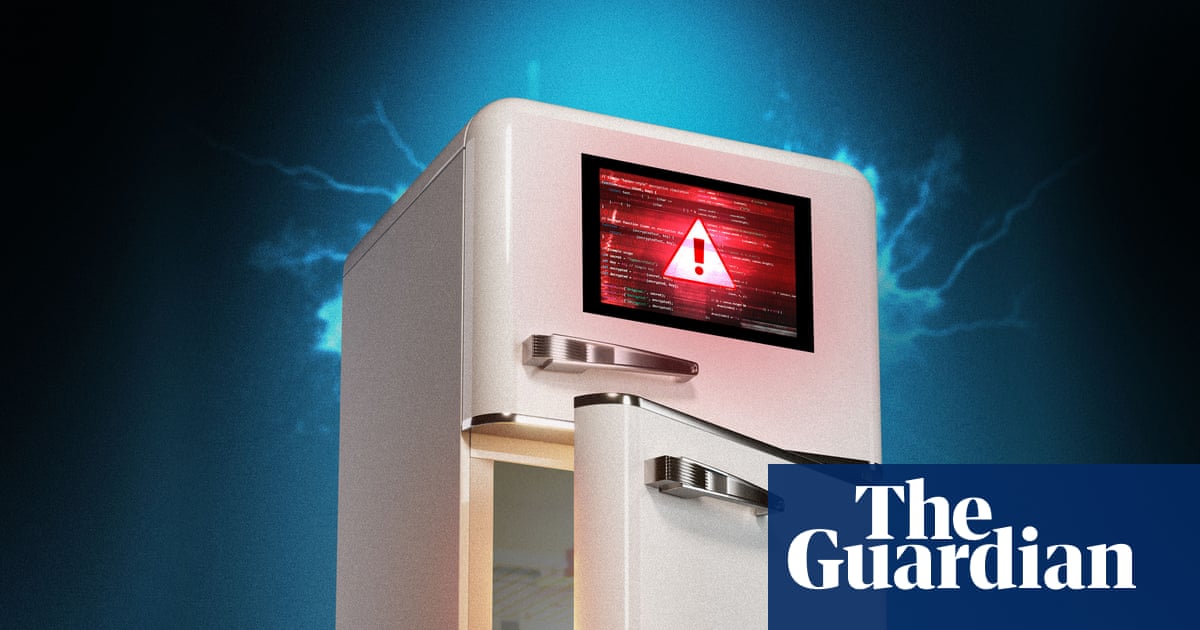
Last week, hackers remotely tampered with refrigeration units in several European countries, causing temperatures in retail and blood bank fridges to rise to dangerous levels. On the same day, a $6.3 billion theft occurred at the cryptocurrency exchange Binance. Separately, hackers used Ukraine’s emergency alert system to send a false nuclear strike warning to residents in Kyiv. UK cybersecurity officials have linked these incidents to a broader trend of cyberattacks exploiting IT vulnerabilities, some of which are being uncovered by AI tools.
Key details
- Refrigeration units in Belgium, Estonia, Ireland, Finland, Luxembourg, the Netherlands, Sweden, France, and the UK were affected.
- Temperatures in some fridges reached up to 50°C (122°F).
- The Binance crypto heist on 30 October involved $6.3 billion.
- A fake nuclear alert was sent to Kyiv residents via Ukraine’s emergency alert app on 1 November.
- UK National Cyber Security Centre warned of increased attacks exploiting IT flaws exposed by AI.
Why it matters
Retailers, blood banks, and critical infrastructure operators in Europe face increased risk of operational disruption and product loss due to cyberattacks targeting connected devices. Cryptocurrency holders and exchanges are exposed to large-scale theft, as seen in the Binance incident. Public safety systems, such as emergency alert networks, are vulnerable to manipulation, creating risks for civilian populations. Organizations must now address a growing number of IT vulnerabilities, some revealed by AI, increasing the urgency for improved cybersecurity measures.