

How to predict the behavior of molecules from scant data

What happened
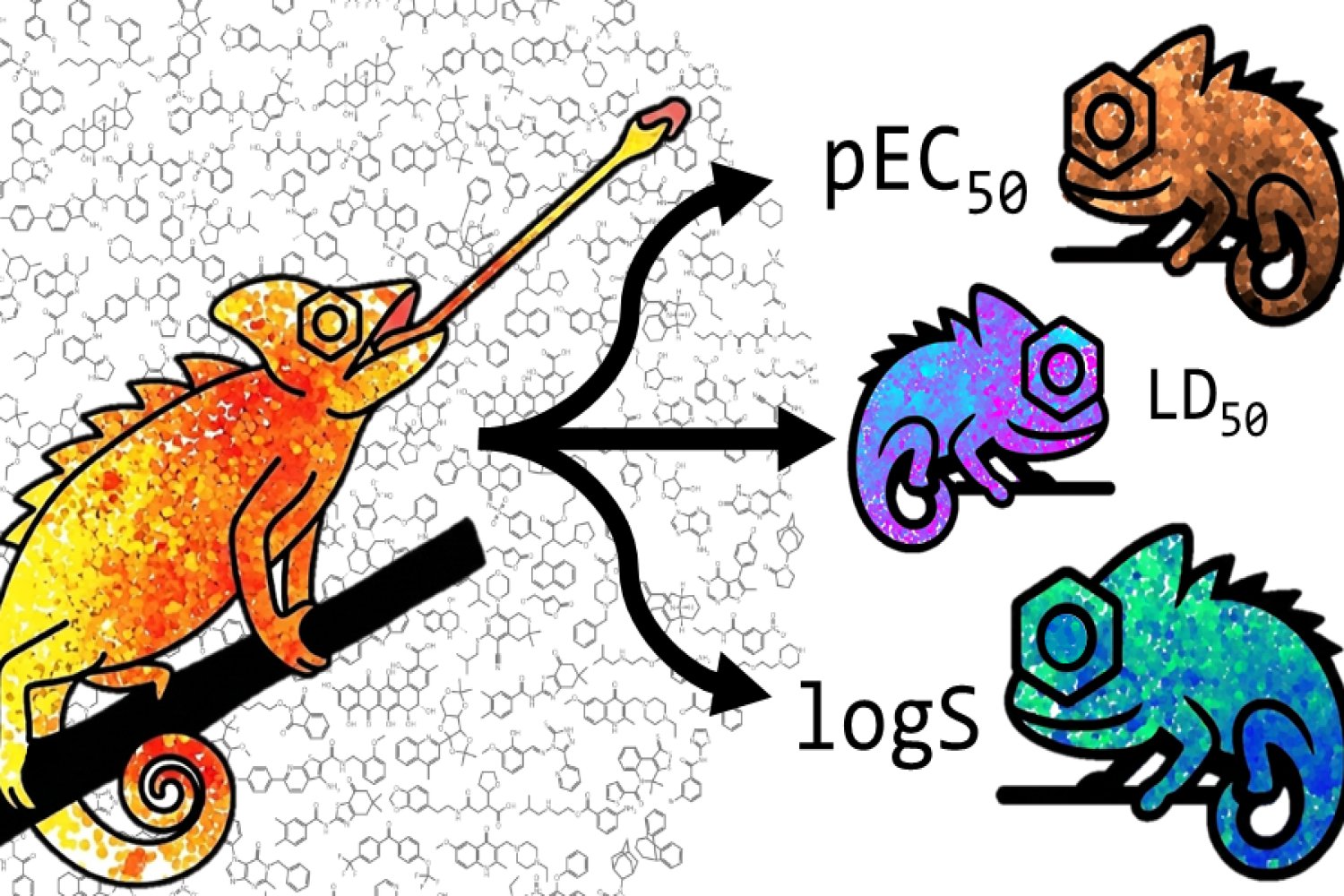
Researchers at MIT created an AI model called CheMeleon that predicts molecular properties using limited data. The model was developed by a team including MIT scientists and collaborators from BASF, and is built on the ChemProp machine-learning platform. CheMeleon has been made open-source and is available for download and customization. Pharmaceutical companies have started using the model, and it was used by several top teams in a recent molecular property prediction competition.
Key details
- CheMeleon was trained on data from about 1 million molecules using 1,600 molecular descriptors.
- The model is open-source and can be accessed through the ChemProp platform.
- Nine of the top 20 teams in the OpenADMET molecule property prediction contest used CheMeleon.
- At least one pharmaceutical company has made CheMeleon the default starting point for molecular property modeling.
- CheMeleon outperformed other foundation and classical models in 58 test cases.
Why it matters
Pharmaceutical companies and researchers can now predict molecular properties more accurately with less experimental data, reducing the time and cost of developing new drugs and materials. Teams working on molecule discovery have access to an open-source tool that has been validated in competitive settings and adopted as a standard by industry leaders. This enables faster decision-making about which molecules to pursue for further testing or development.