

NTT’s Physics-Based World Model Screens Robot Actions Before Execution

What happened
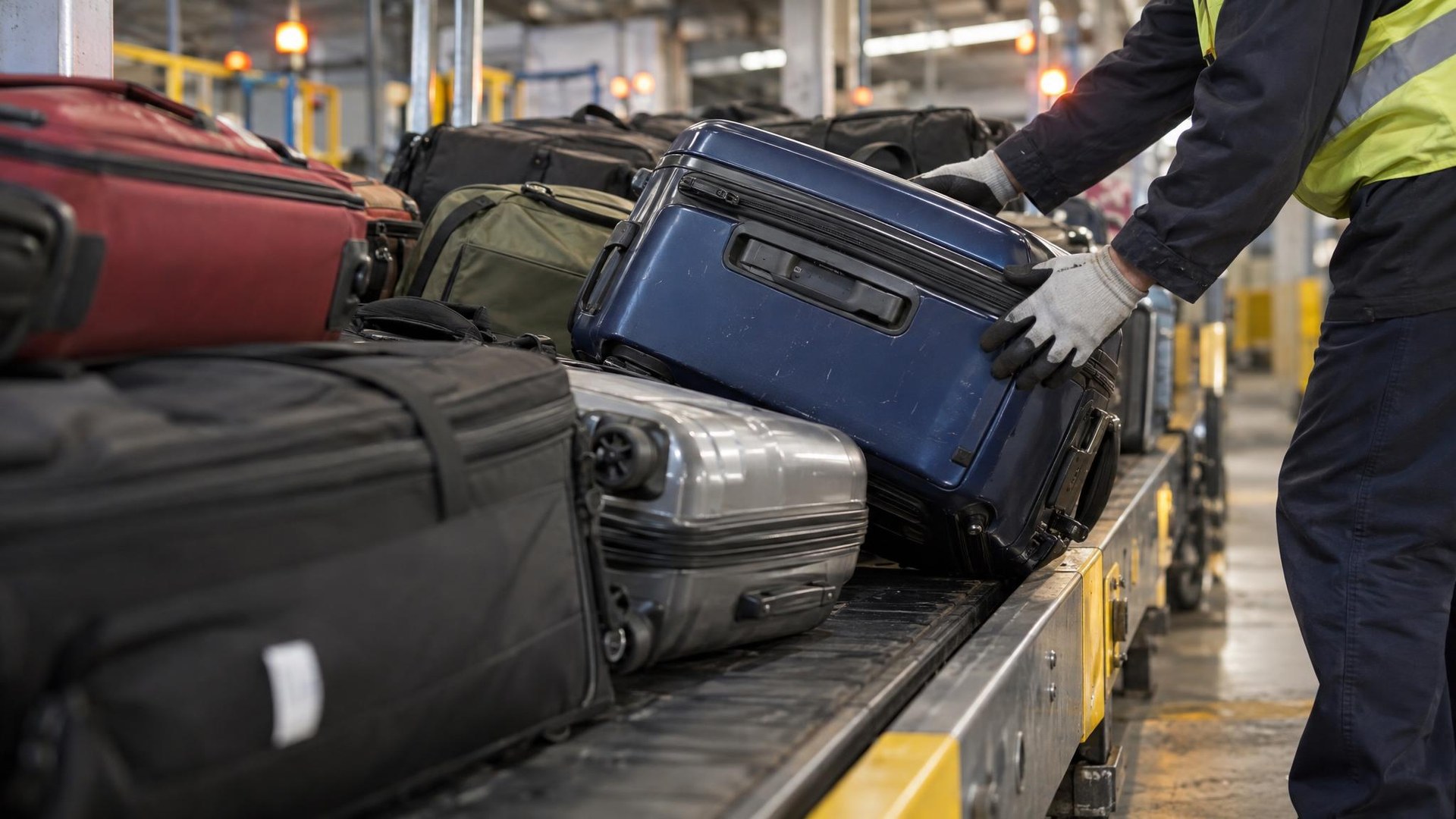
On November 11, 2026, NTT announced a new physics-based world model designed to predict and evaluate robot actions before they are carried out. This technology was tested on a small-robot shelf-loading task, where it increased the success rate of completed tasks from 73.1% to 92.3%. The model works by estimating physical properties of objects and simulating possible outcomes to avoid failures like dropped items or collapsing loads. NTT plans to begin field trials with Mujin, Inc. for airport baggage handling applications.
Key details
- NTT’s model improved shelf-loading task success from 73.1% to 92.3% in tests.
- The system predicts collisions, drops, and load collapse before robots act.
- It estimates object properties such as position, orientation, velocity, and mass from video.
- The model outperformed conventional methods on the OBJ3D benchmark using LPIPS similarity.
- Field trials for airport baggage handling are planned with Mujin, Inc.
Why it matters
Companies involved in logistics, warehousing, and airport operations could see fewer robotic failures and higher reliability when handling varied and unpredictable items. This technology allows robots to screen actions for safety and stability before execution, reducing the risk of dropped or damaged goods. Organizations adopting this model may face lower training data requirements and gain more transparent predictions, which could simplify deployment and oversight of automated systems.